
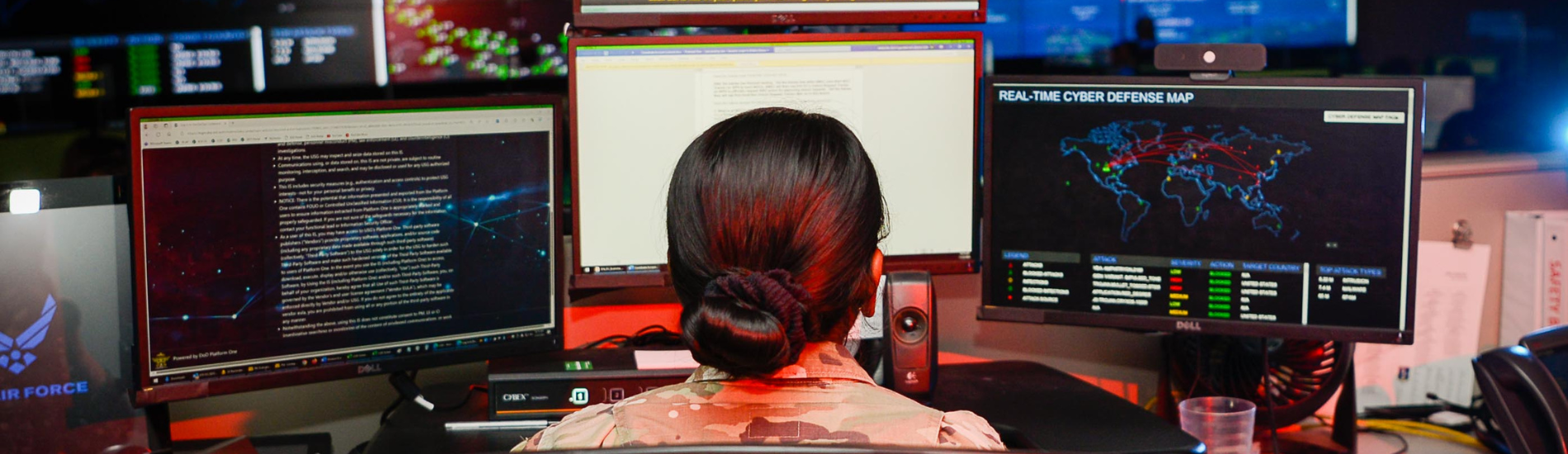
‘PALADIN’ will support ISR analysts in forecasting the evolution of complex, dynamic, and uncertain environments without adding to their workload
Woburn, MA – March 3, 2025 – Within the Air Force Joint Air Tasking Cycle, Air Combat Command, the Intelligence, Surveillance, and Reconnaissance (ISR) community is responsible for collection planning. This critical work hinges on a comprehensive understanding of adversary behavior—past, present, and future. However, due to the disparate, incomplete, and multimodal data, it is difficult for ISR analysts to access, process, and interpret the necessary information to create optimal collection plans. The resulting high cognitive workload of analysts creates risks of underperformance and planning gaps.

U.S. Air Force photo by Sharon Singleton
To address this challenge, Aptima is developing PALADIN, the Probabilistic Activity, multi-Level, and Abstractly Distributed Inference kNowledge graph system. PALADIN will enable the insertion of Red Force policies into a dual entity- and event-centric knowledge graph that probabilistically encodes temporal and spatial factors into a schema network. Using deep-generative models, the system will learn the representations and create inference and prediction processes to estimate causes of observed behaviors. PALADIN is engineered to orchestrate the relationships about Red Force behavior, state, and posture to analyze causality and make predictions about future states and actions. When completed, PALADIN will support ISR analysts in forecasting the evolution of complex, dynamic, and uncertain environments without adding to their workload.
PALADIN is a member of Aptima’s Cognitive Augmentation Technologies (CAT) portfolio of assistive technologies that augment the cognitive performance of humans in data-intensive, mission-critical environments from military missions to healthcare. CAT solutions feature custom artificial intelligence (AI), machine learning, and interactive modalities that learn user work patterns and expectations, predict information needs for more efficient, perform insightful problem solving, enhance situational awareness and decision support, and allocate tasks for optimal workflow and human-machine collaboration.
Aptima welcomes the adoption or merging of your technology with one or more of our SBIR Topics. We are eligible for SBIR Enhancement funding, as well as TACFI and STRATFI awards, all of which are sole source.
For more information, please contact aptima_info@aptima.com.
Related posts
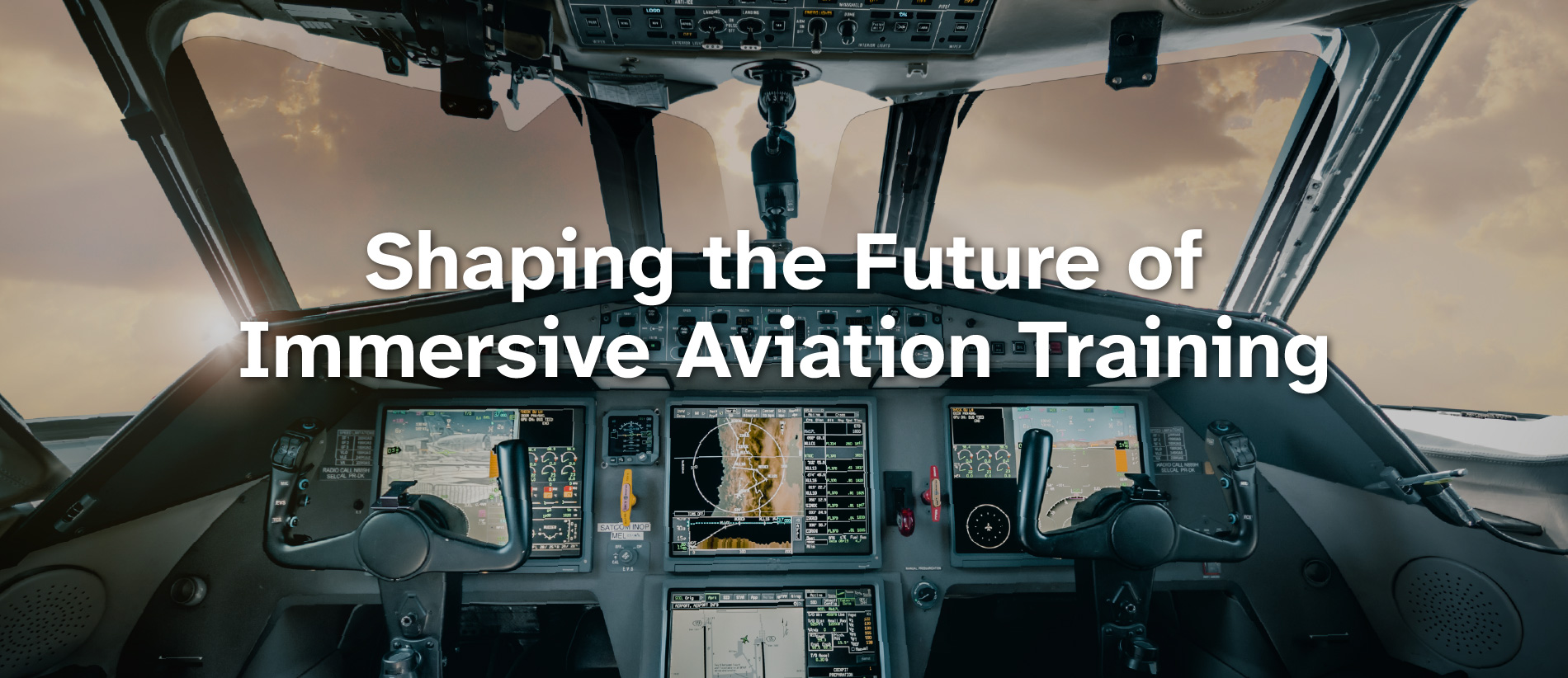
Aptima is proud to celebrate the contributions of Dr. Stephanie G. Fussell, whose expertise in extended reality (XR) and aviation training helped shape the Federal Aviation Administration's (FAA) first formal guidance material for using XR technologies in qualified flight simulation training devices for commercial aviation. Developed to harmonize with similar guidance from the International [...]

Woburn, MA, June 16, 2026 — Aptima is pleased to announce it was awarded a contract for the Missile Defense Agency Scalable Homeland Innovative Enterprise Layered Defense (SHIELD) indefinite-delivery/indefinite-quantity (IDIQ) contract with a ceiling of $151B. This contract encompasses a broad range of work areas that allows for the rapid delivery of innovative capabilities [...]

At Aptima, our strength has always come from our people. We are proud to be guided by a team of exceptional leaders, Aptimists, whose expertise and vision help shape not only our company’s direction, but the future of advanced technology and national security. We are excited to announce the appointment of several distinguished new members [...]